

April 4 – June 28, 2026 | Bedford Library
April 4 – June 28, 2026 | Bedford Library
The Warehouse is a collaboration between artist and writer Vic Liu, organizer Mariame Kaba, and Bedford Library, in conjunction with Justice Initiatives.
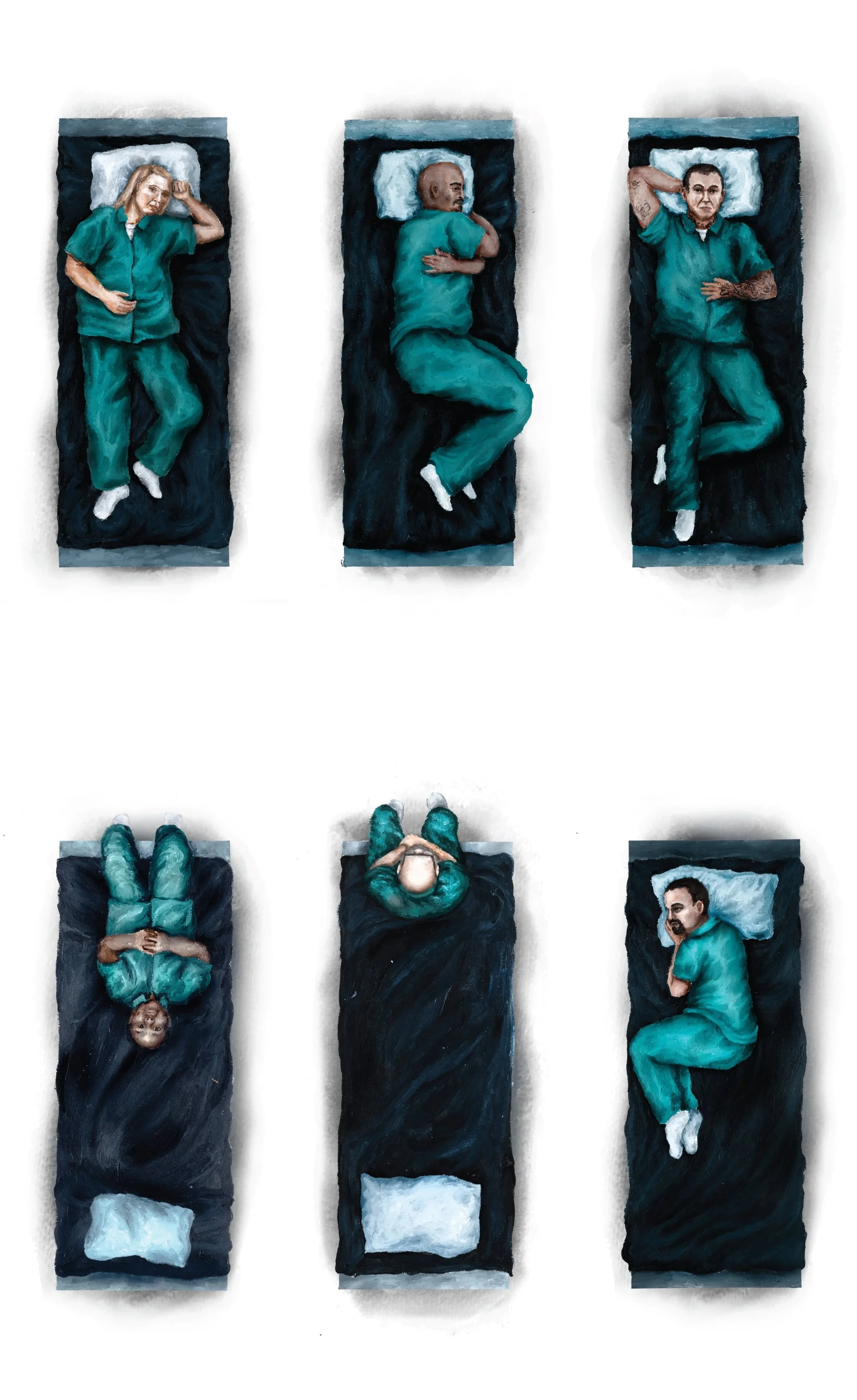
Inspired by Liu’s book The Warehouse: A Visual Primer on Incarceration (co-written with James Kilgore), this exhibition spotlights 24 new paintings that examine survival and resistance within prison walls; the emotional distance between "inside" and "outside;" and what the abolition of prisons could look like in practice.
A series of free public programs will accompany the exhibition at Bedford Library, including conversations, workshops, and community gatherings. Come envision a world without incarceration, where care, safety, and accountability can exist beyond punishment.
Programming
Brooklyn Public Library, Bedford Branch
April 4 – June 27, 2026
The Warehouse: Opening Reception and Panel
Sat, Apr 4 | 1:30PM – 4:30PM
April 2026
Saturday, April 4 | 1:30 PM — 4:30 PM
Opening Event: Panel, Music, & First Walk-through
The Warehouse opens with a live panel exploring incarceration and abolition through art and organizing, featuring Rachel Herzing, James Kilgore, and Vic Liu, followed by music and a first walk-through of the exhibition.
Register HERE
Thursday, April 9 | 6:00 PM — 7:30 PM
TeleStory Dinner & Exhibition Walkthrough | Adult/Teens
As part of BPL's TeleStory program, families of incarcerated community members gather for a shared dinner, support, and a walkthrough of the exhibition alongside youth from the Osborne Association, which supports families impacted by incarceration.
Sign up HERE
Saturday, April 11 | 1:30 PM — 4:30 PM
Exhibit Walk Through (Drop-In) | All Ages
Join our docents for a walkthrough of The Warehouse - drop in anytime between 1:30 and 4:30 PM.
Sign up HERE
Thursday, April 16 | 7:15 PM — 7:45 PM
Community Sound Bath | All Ages
Flutist Paul Wellington leads a restorative community sound bath inviting participants to relax, breathe, and reconnect through immersive sound.
Sign up HERE
Saturday, April 18 | 2:00 PM — 4:00 PM
Jail Support 101 Workshop with Parissah Lin | Adult
Abolitionist organizer Parissah Lin leads a practical workshop on how to support people who have been arrested and how to build community-based jail support networks.
Sign up HERE
Sunday, April 19 | 1:30 PM — 3:30 PM
Abolitionist Tea Party with jackie sumell | Adult/Teens
jackie sumell leads a participatory ritual of tea and dialogue, connecting plants grown by incarcerated people to conversations about abolition and healing.
Sign up HERE
Tuesday, April 21 | 3:30 PM — 4:30 PM
Kids Create: Dreaming the Future | Children
Kids imagine the future through Afrofuturist art in this creative afterschool workshop led by teaching artist Wéma Ragophala.
Sign up HERE
Thursday, April 23 | 6:00 PM — 7:30 PM
Film Screening presented by Solidarity Media Network | Adult/Teens
Solidarity Media Network presents films by formerly incarcerated media makers, centering world-building storytelling rooted in justice and care.
Sign up HERE
*All events are free and open to the public.

May 2026
Thursday, May 7 | 5:00 PM — 7:00 PM
Roots of Resistance Zine Workshop with Booklyn
Booklyn hosts a teen zine-making workshop inspired by The Warehouse exhibition, inviting participants to create handmade books exploring incarceration, resistance, and abolition.
Sign up HERE
Thursday, May 7 | 6:00 PM — 7:30 PM
Filmmaking Workshop with Echoes of Incarceration | Teens
Award-winning filmmakers from Echoes of Incarceration host a hands-on documentary workshop where teens learn interviewing and storytelling skills.
Sign up HERE
Saturday, May 9 | 1:30 PM — 4:30 PM
Exhibit Walk Through | All Ages
Join our docents for a walk through of The Warehouse exhibit.
Sign up HERE
Sunday, May 10 | 3:00 PM — 4:30 PM
Author Talk: Willie Kearse & Ben Passmore | Adult
Author Willie Kearse and cartoonist Ben Passmore discuss incarceration, justice, and storytelling through writing and comics.
Sign up HERE
Saturday, May 16
Talking to Children about Incarceration with Mariame Kaba | Adult/Teen
Mariame Kaba leads a practical workshop offering parents, caregivers, and educators tools for discussing incarceration and justice with children.
Session 1: 1:00 PM — 2:30 PM - Sign up HERE
Session 2 : 3:00 PM — 4:30 PM - Sign up HERE
Sunday, May 17th | 3:00 PM — 4:30 PM
Community Care Workshop | Adult
A community care training and workshop led by folx who work in community-based mutual aide groups and individuals working directly with communities impacted by incarceration and detention.
Sign up HERE
Tuesday, May 19th | 3:30 PM — 4:30 PM
Kids Create: Dreaming the Future | Children
Kids imagine the future through Afrofuturist art in this creative afterschool workshop led by teaching artist Wéma Ragophala.
Sign up HERE
Thursday, May 21 | 7:15 PM — 7:45 PM
Community Sound Bath | All Ages
Flutist Paul Wellington leads a restorative community sound bath inviting participants to relax, breathe, and reconnect through immersive sound.
Sign up HERE
Thursday, May 28 | 6:00 PM – 7:30 PM
Welcome Home Dinner & Exhibition Walk-through with Welcome Home Community | Adult
BPL's Welcome Home community hosts a dinner and exhibition walkthrough focused on life after incarceration, community support, and the ongoing work of re-entry.
Sign up HERE
Saturday, May 30 | 1:30 PM — 4:30 PM
Exhibit Walk Through | All Ages
Join our docents for a walk through of The Warehouse exhibit.
Sign up HERE
Saturday, May 30 | 3:00 — 4:45pm
Information In and Out of Prisons: A Panel | Adult
A panel on storytelling, media, and access to information inside and outside prisons.
Sign up HERE
*All events are free and open to the public.

June 2026
Thursday, June 4 | 6:00 PM — 7:30 PM
Echoes of Incarceration Screening | All Ages
Award-winning youth filmmakers from Echoes of Incarceration present a screening of documentaries centering lived experience, justice, and the power of youth storytelling.
Sign up HERE
Tuesday, June 9th | 3:30 PM — 4:30 PM
Kids Create: Dreaming the Future | Children
Kids imagine the future through Afrofuturist art in this creative afterschool workshop led by teaching artist Wéma Ragophala.
Sign up HERE
Thursday, June 11 | 7:15 PM — 7:45 PM
Community Sound Bath | All Ages
Flutist Paul Wellington leads a restorative community sound bath inviting participants to relax, breathe, and reconnect through immersive sound.
Sign up HERE
Saturday, June 13 | 1:30 PM — 4:30 PM
Exhibit Walk Through | All Ages
Join our docents for a walk through of The Warehouse exhibit.
Sign up HERE
Thursday, June 18 | 6:00 PM — 7:30 PM
Inside/Outside Book Club with readers from the public, Sing Sing, and Rikers Island | Adult
Sign up HERE
Saturday, June 20 | 1:30 PM — 4:30 PM
Exhibit Walk Through | All Ages
Join our docents for a walk through of The Warehouse exhibit.
Sign up HERE
Saturday, June 20 | 3:00 PM — 4:30 PM
Family Film Screening on Incarceration and Abolition | All Ages
A film screening for families exploring themes of incarceration, justice, and abolition — open to all ages and free to attend.
Sign up HERE
Saturday, June 27 | 11:00 AM — 4:00 PM
Abolitionist Fair: Closing Community Celebration | All Ages
The Warehouse closes with a community fair featuring art, music, and tabling from abolitionist organizations including VOCAL-NY, RAPP, Parole Prep Project, and NYC Books Through Bars, alongside a market of goods made and sold by formerly incarcerated people.
Sign up HERE
*All events are free and open to the public.

The Warehouse is made possible through the collaboration, care, and support of the following individuals and organizations:
Interrupting Criminalization | Mariame Kaba | Mellon Foundation | Vic Liu | Adeeba Afshan Rana | Cesar Castro | Christina Ferrari | Cora Fisher | Colleen Hamilton | Dani Blum | Erica Moroz | Eva Raison | jackie sumell | Janavi Janakiraman | John Snowden | Justice Initiatives Team | Bedford Library Staff | Manny Vaz | Radix Media Susie Bannon | Michael Carey | Nadia Tahoun | Shoestring Press | Timely Signs of Kingston
The Warehouse is made possible through the support of Interrupting Criminalization and the Mellon Foundation.

Behind the work
Throughout the exhibition, we draw on abolitionist inspiration and teachings from plants and their infinite wisdom, as part of our collaboration with jackie sumell, of Growing Abolition.
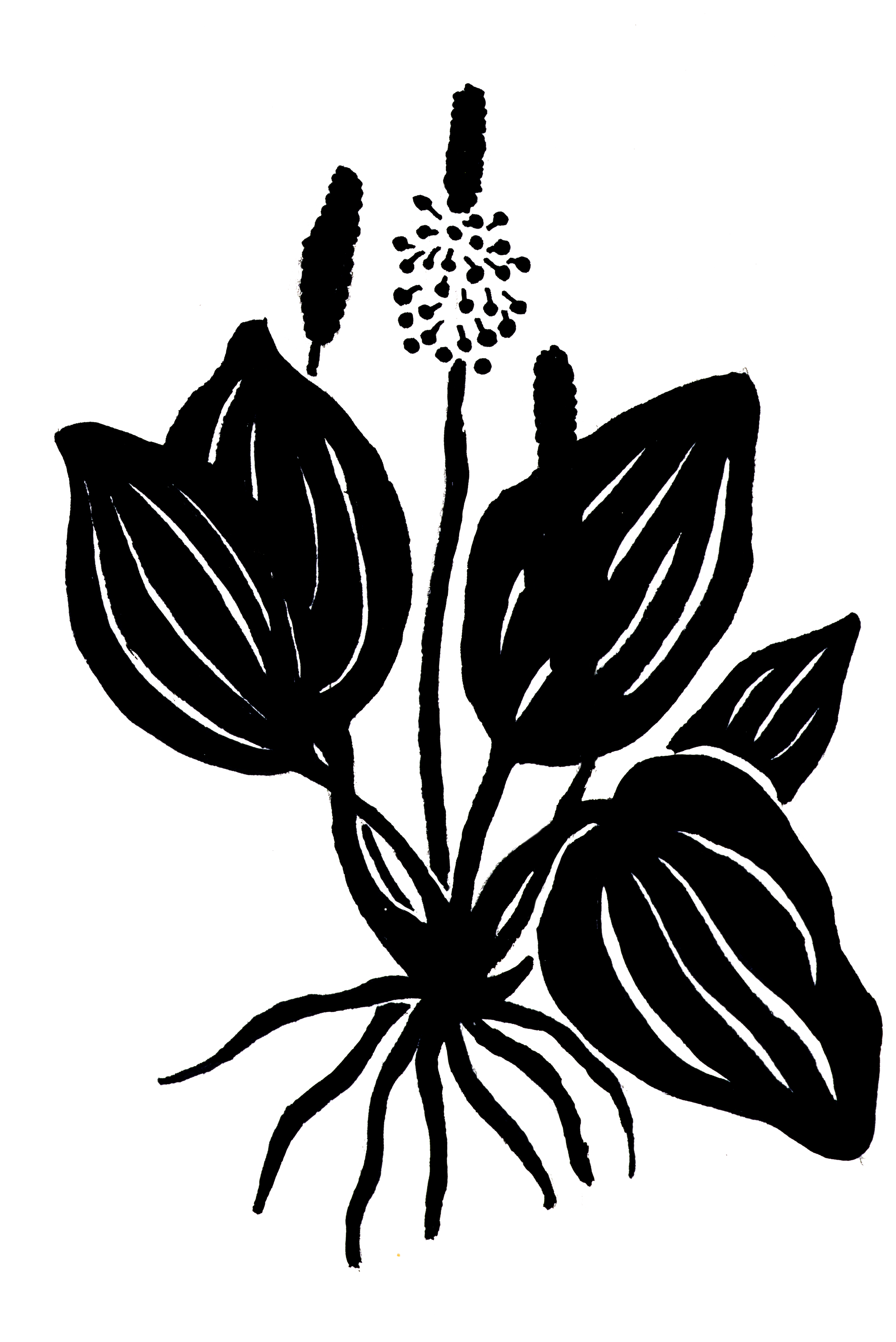
Plantago Major (plantain):
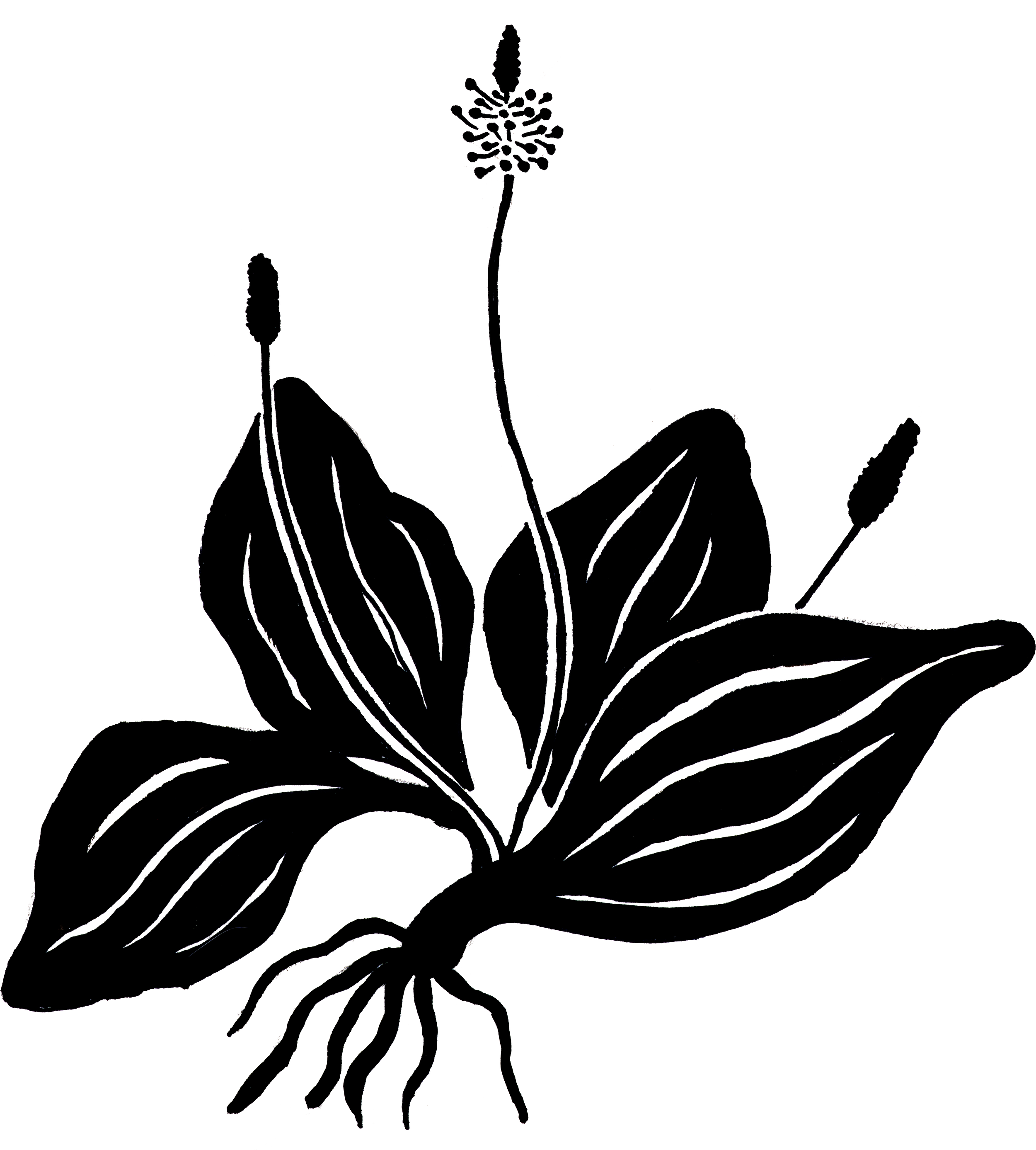
Plantain (Plantago major) is a master of everyday care. A crushed leaf mixed with spit—simple, intimate, immediate—can pull the sting from a bug bite, calm inflammation, and begin repair. This is not spectacular medicine. It is accessible, relational, and close to the ground. Often mistaken for weakness, plantain’s low posture is actually a strategy for survival.
Used for thousands of years, plantain appears in some of the earliest written records of Western herbalism, including Pedanius Dioscorides’ Materia Medica (40–90 AD). Across cultures, it has been relied upon to treat constipation, coughs, wounds, infection, fever, bleeding, and inflammation. Bruised leaves applied directly to the skin draw out poison, soothe nettle stings, and support the body’s own capacity to heal.
Robin Wall Kimmerer calls plantain “the immigrant who has made herself indispensable,” reminding us that this plant—so often dismissed as a weed—has become a crucial ally wherever harm has taken root. Rarely cultivated and not native to North America, plantain spread alongside European colonization, thriving in compacted soil, disturbed ground, and places shaped by repeated trampling. Indigenous peoples named it “white man’s footprint” because it appeared wherever colonial violence altered the land.
Plantain does not deny this history—it bears witness to it. It grows where harm has occurred and insists on tending the wound anyway.
Abolition demands accountability. As Bryan Stevenson reminds us, “We have committed ourselves in this country to silence about our history, to ignorance about our history, to denying our history.” Repair begins when we are willing to face what has been buried, ignored, or normalized. Like plantain, abolition is not about covering over harm—it is about drawing it out so healing can actually happen.
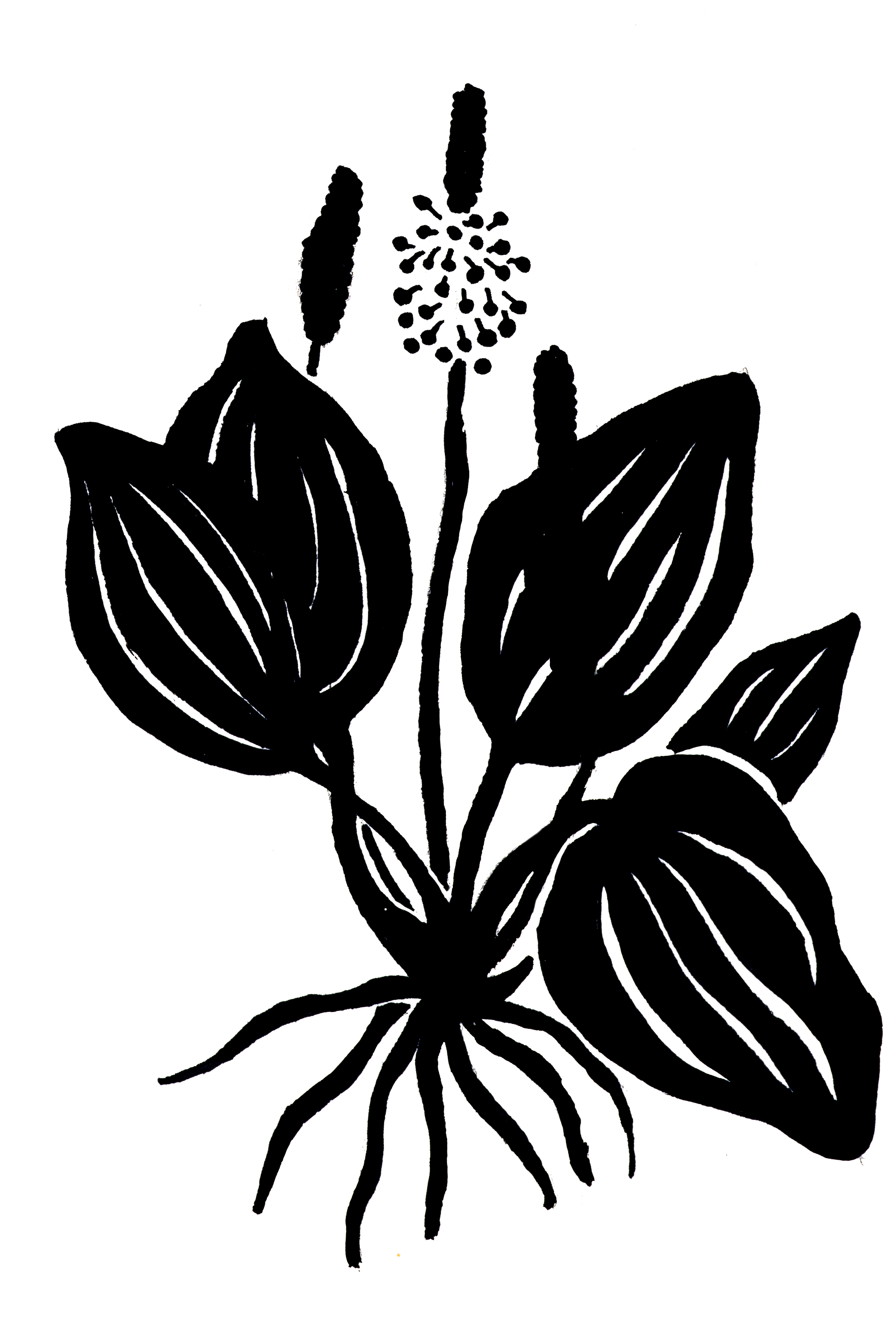
Plantain medicine works by pulling what is lodged beneath the surface: stingers, poison, infection, mucus. It does not rush the process. It creates the conditions for release. In this way, it offers a model for collective healing—one that acknowledges pain without reproducing punishment.
What historical, emotional, or energetic toxins have settled just under your skin?
What would it mean to draw them out rather than suppress them?
Who or what acts as plantain in your community—quietly absorbing harm, offering relief, refusing abandonment even in the most damaged places?
And if those supports do not yet exist, can you imagine building them?
Plantain survives being stepped on. It flourishes in the aftermath of violence. It does not ask permission to heal. A witness to colonization, endurance, and repair, Plantago major reminds us that abolition is not an abstract future—it is practiced daily, close to the ground, wherever care refuses to disappear.
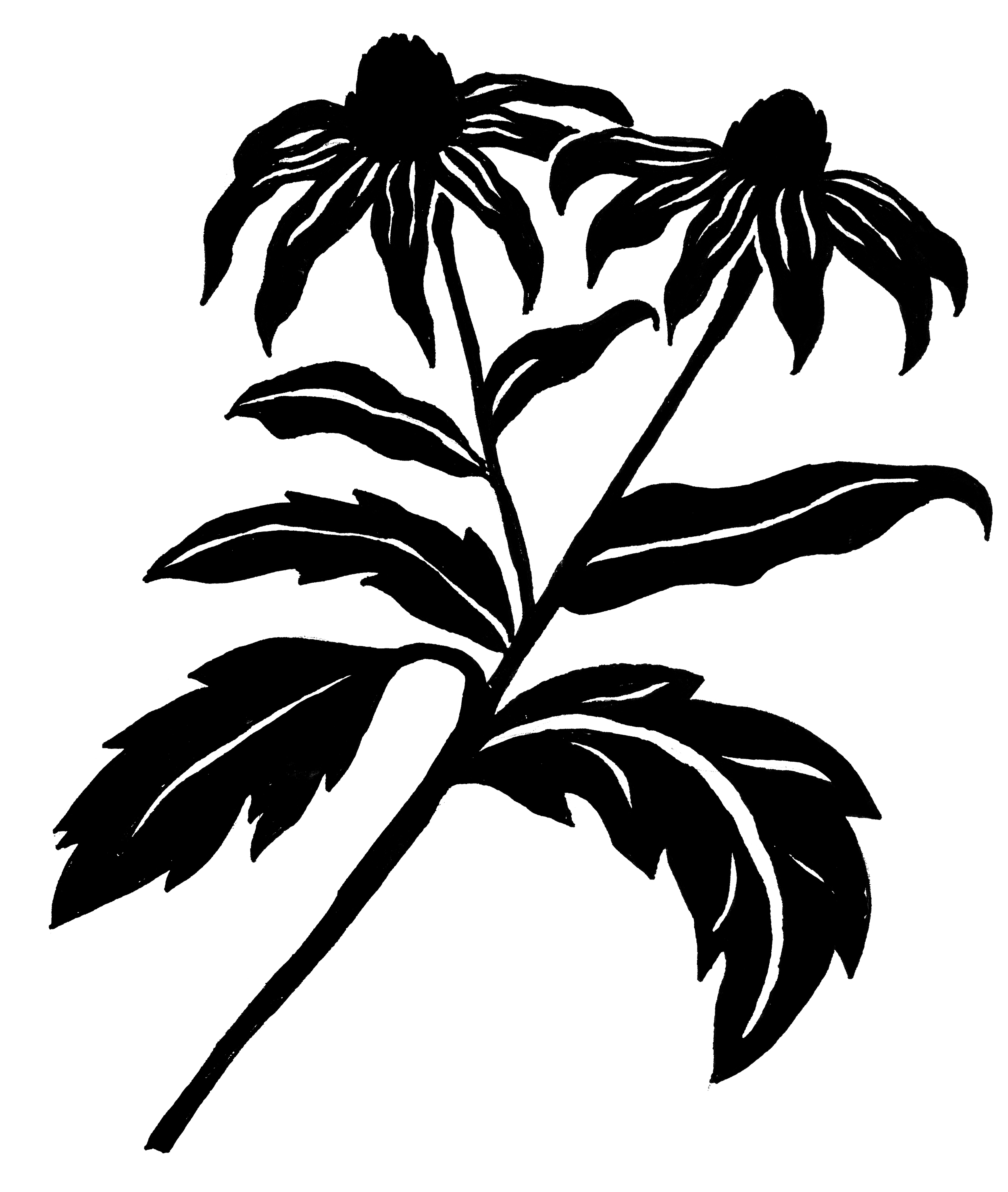
Rudbekia Hirta (brown eyed susan):
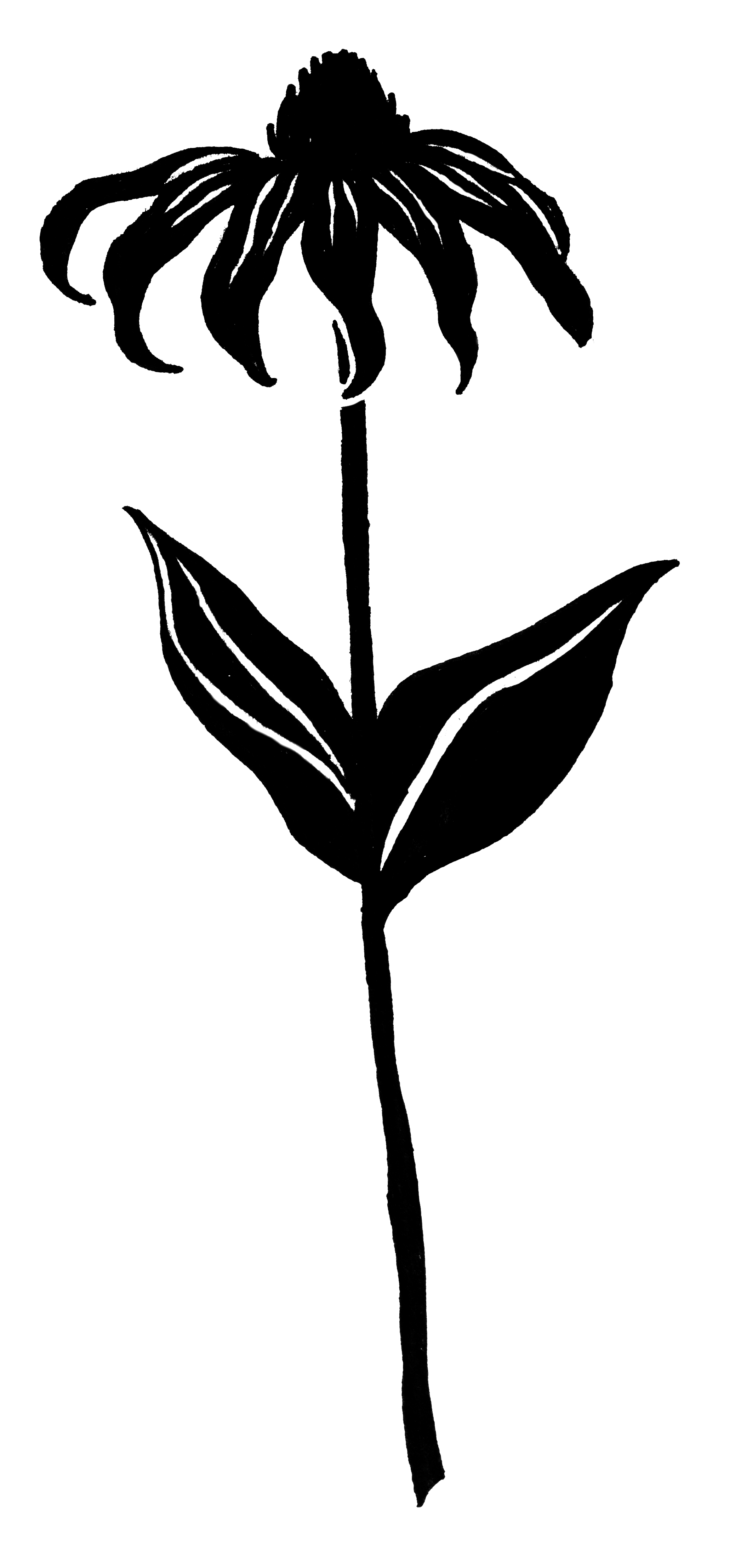
Rudbeckia is native to the Americas and has long been held as medicine across many Tribal Nations—relied upon for colds, flu, infection, swelling, and even snake bites. Its healing knowledge predates the nation-state, existing outside systems that criminalize, extract, and regulate care. Some parts of the plant are poisonous, a reminder that medicine demands relationship, respect, and consent—not domination.
In floriography, Rudbeckia is said to symbolize justice. But this plant asks us to reconsider what justice actually means. It blooms across borders and boundaries, thriving in disturbed soils, roadside edges, and neglected land—places shaped by dispossession and control. Cut from the ground, its flowers persist in water for weeks, holding their form with quiet endurance rather than spectacle.
Rudbeckia is also deeply rooted. Known as a clay-buster, it breaks compacted earth, restoring breath and movement where life has been pressed down. Like abolition, it does not seek reform at the surface—it works below, dismantling the conditions that make harm inevitable and creating space for something else to grow.
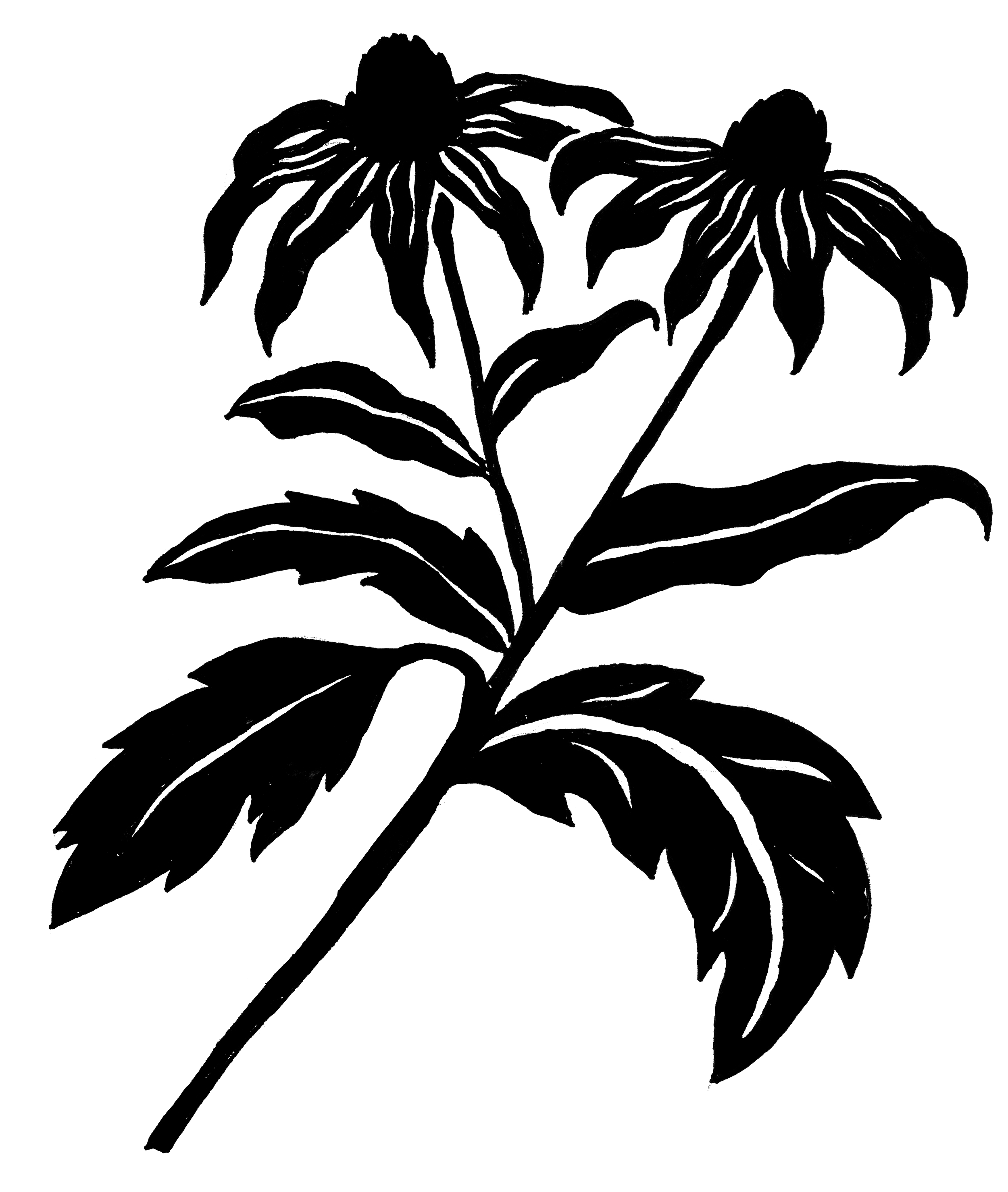
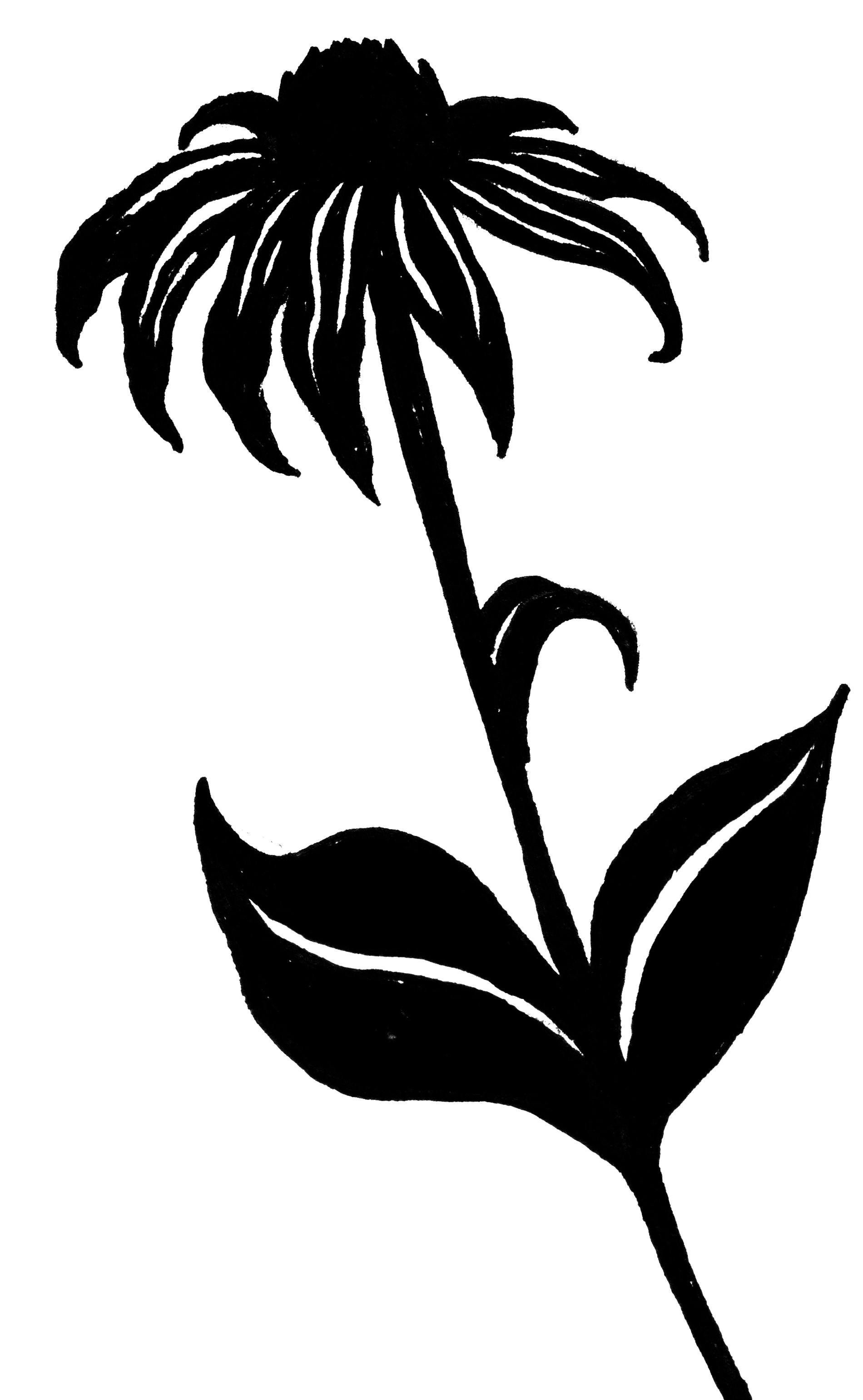
Rudbeckia are often named as symbols of justice—but justice has too often been something promised, delayed, or imposed upon us. This plant invites a different question. Not justice as punishment or balance sheets of harm, but justice as sustained care, collective survival, and the right to grow freely.
Rudbeckia has come to symbolize justice- a word that has all too often been prescribed for us. Pause for a moment and consider; how do you define justice?
What would justice look like if it were rooted, medicinal, and alive?
Achillea Millefolium (Yarrow):
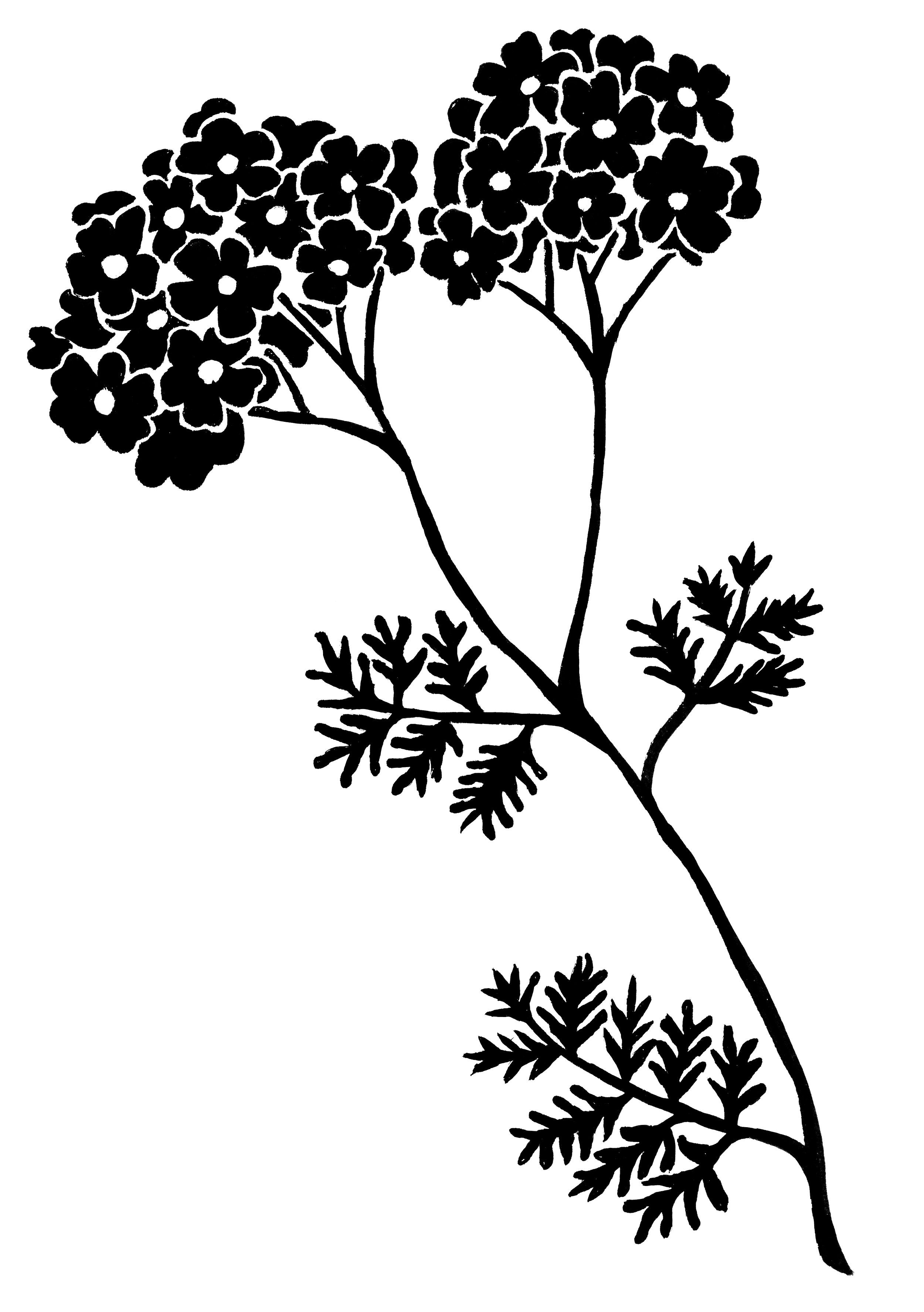
Achillea millefolium—yarrow—is a plant of deep time and collective survival. Fossilized yarrow pollen has been found in burial caves dating back over 60,000 years, placing it alongside our ancestors in moments of death, grief, and continuity. Long before borders, prisons, or empires, yarrow was already practicing care. Native to Eurasia and now growing across the world, it moves freely—crossing imposed boundaries, adapting to new conditions, refusing confinement.
The name Achillea comes from the myth of Achilles, a story of invincibility and war. But yarrow’s true power is nreot conquest—it is repair. Carried into battle to staunch bleeding, it has always been a plant that responds to harm rather than glorifying it. Across what we now call North America, Indigenous peoples have used yarrow as medicine for wounds, fevers, pain, reproductive care, and illness—knowledge that survives despite centuries of attempted erasure.
Yarrow teaches us that healing is not singular or specialized—it is expansive. Crushed fresh leaves can stop bleeding and soothe burns. Dried leaves become tea for fever, headaches, and colds; a reminder that care can be made from what is close at hand. It is often called “life medicine,” not because it prevents harm, but because it helps us endure it.
In the garden, yarrow acts as a companion plant, increasing the vitality and medicinal potency of those around it. It does not hoard resources. It strengthens the whole ecosystem. Some traditions call it lucky; others use it for divination or spiritual protection. In flower essence work, yarrow is known for helping people build boundaries—especially those who are easily overwhelmed or overextended. This is not isolation. It is protection without withdrawal.
Yarrow’s many names—soldier’s woundwort, nosebleed plant, thousand-leaf—tell a story of collective use rather than ownership. In antiquity it was called herbal militaris, but its real allegiance is not to war—it is to survival after harm has already occurred.
Below the surface, yarrow spreads through rhizomes, forming underground networks of support that thrive in disturbed soil. When transplanted, its roots are intentionally torn apart to encourage stronger growth. Trauma does not destroy this plant—it reorganizes it. What could be read as damage becomes a condition for resilience.
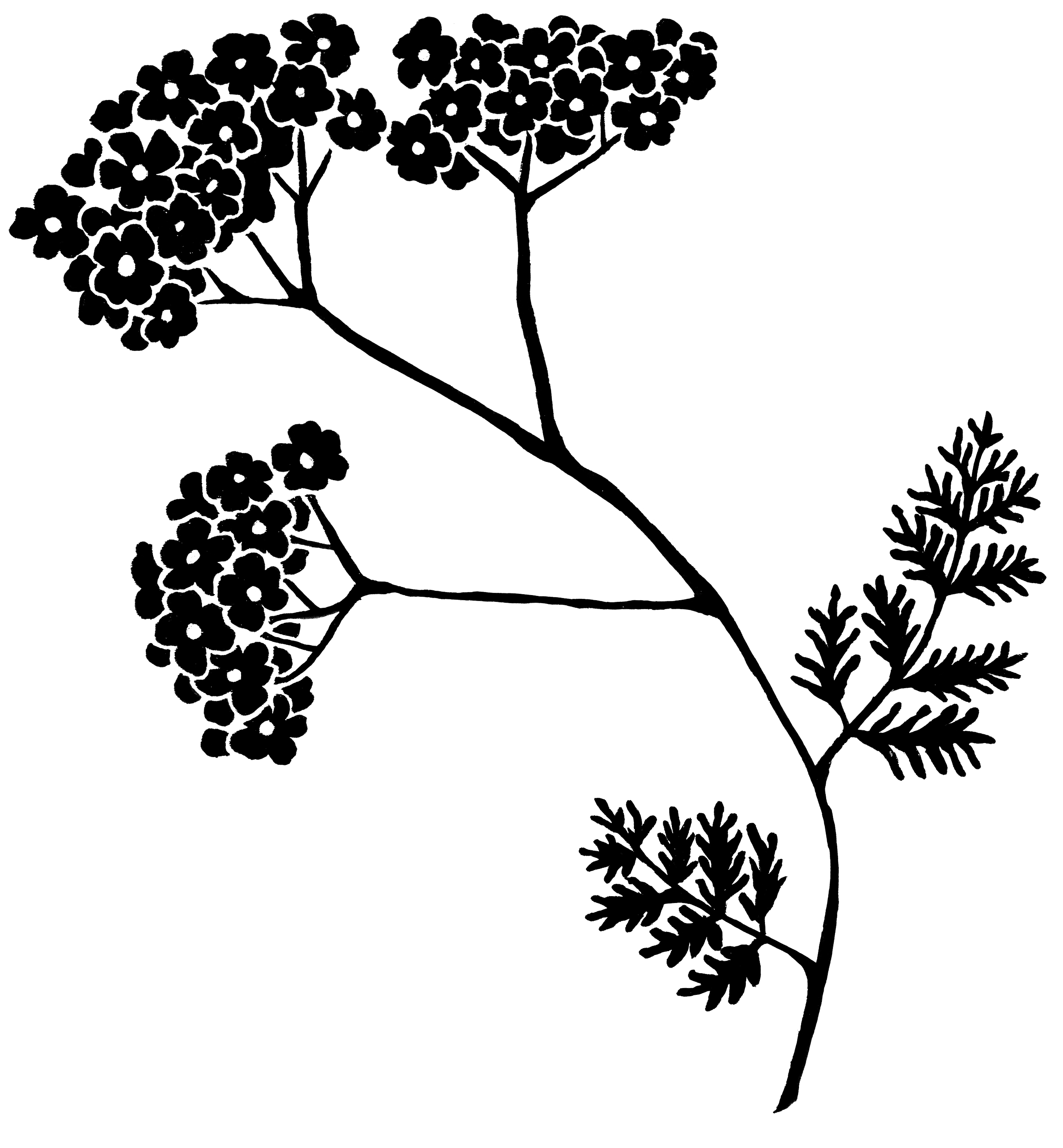
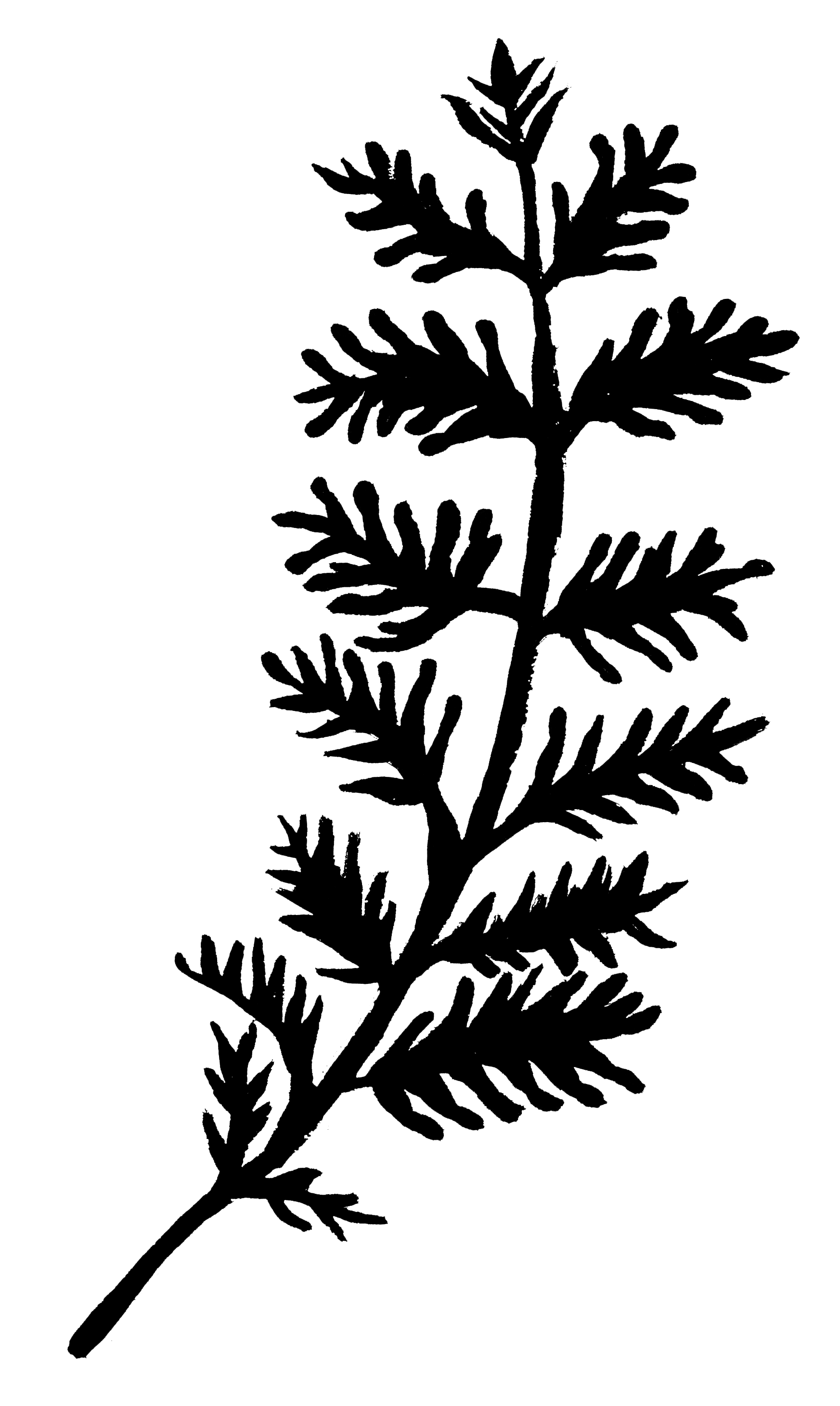
Yarrow repels some insects while attracting pollinators. It teaches discernment. Not everything is welcome. Not everything is refused. Abolition, too, requires this kind of clarity—knowing when to open, when to protect, when to say no.
Yarrow does not seek recognition for the way it supports others. It enhances growth quietly, without extraction or reward. It models a form of companionship rooted in reciprocity rather than individualism.
What might we learn from a plant that grows stronger when torn, that builds networks underground, that heals without asking permission from power?
How does yarrow challenge the culture of individualism that undermines coalition and collective care?
Urtica Diocea (Stinging Nettle):
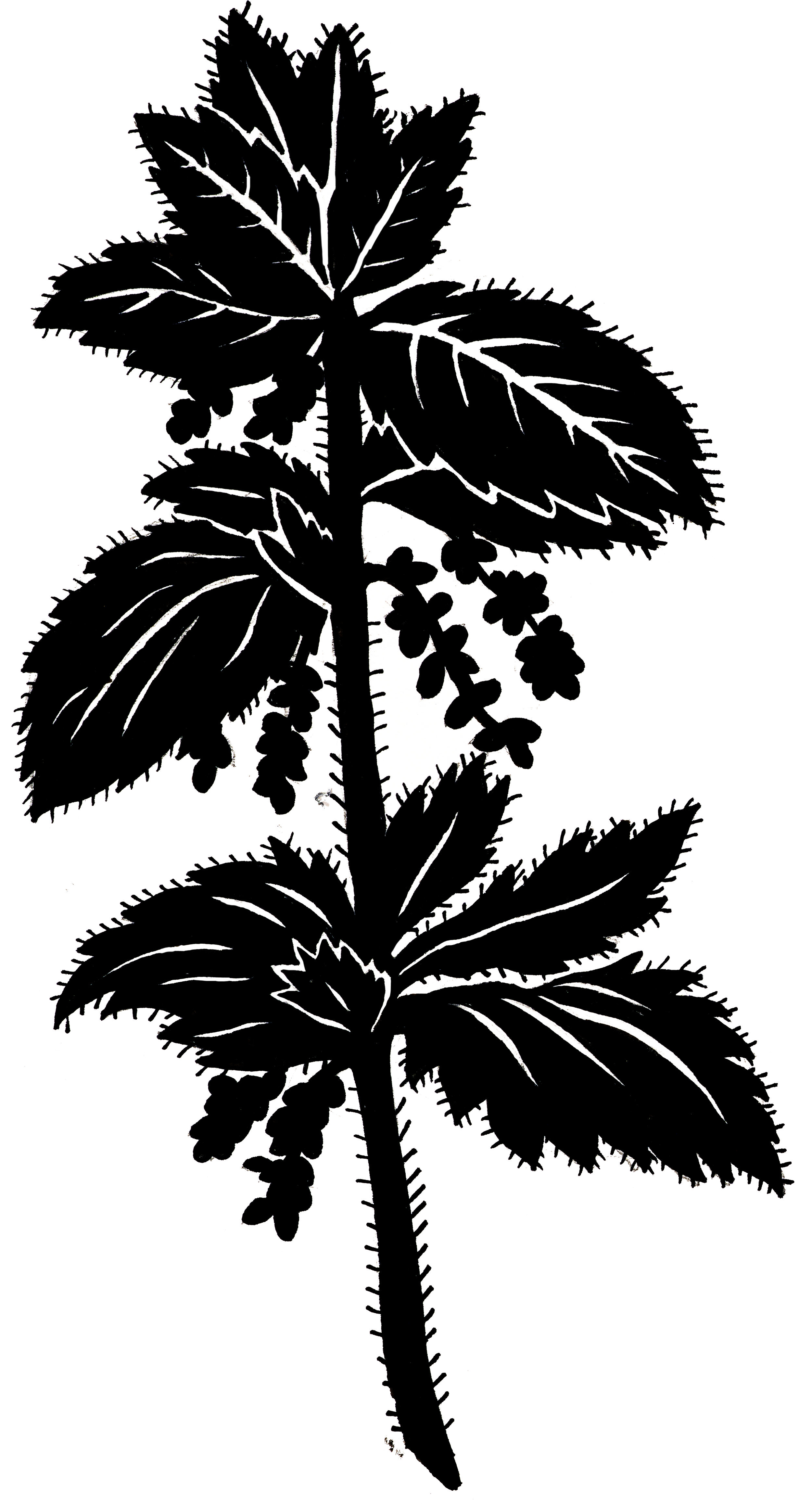
Despite its sting, nettle has many useful qualities. In the garden, it encourages beneficial insects and strengthens the growth of mint and tomatoes. Medicinally, nettles are a nutritious superfood providing vitamins A, B6, K, riboflavin, folate, calcium, manganese, magnesium, iron, phosphorus, and potassium. It has been used to treat a range of illnesses of the kidneys, adrenals, urinary and gastrointestinal tracts, skin, cardiovascular system, hemorrhages, and influenza. Nettle represents the complexity of existence. These sharp plants are packed with powerful healing remedies and stinging bite. They teach us about boundaries, complexity, and consent.
Medicinally, nettles are a highly nutritious superfood providing vitamins A, B6, K, riboflavin, folate, calcium, manganese, magnesium, iron, phosphorus and potassium has been used to treat a range of illnesses of the kidneys, adrenals and urinary tract, gastrointestinal tract, skin, cardiovascular system, hemorrhages, and influenza. The inflammation from nettles has long been a folk remedy for treatment of arthritis. ‘Urtication,’ or flogging with Nettles, is a remedy for chronic rheumatism or blood stagnation. According to herbalist Kelsey Barrett, “Nettle acts like an old grandmother, whipping you into shape. Coming from love and nourishment, she gives organs, muscles, skin, blood and limbs the medicine they truly need. She doesn’t waste time, she gets right to the task at hand of cleaning house.
The stinging hairs of nettle are composed of silica that inject a natural venom into the skin and cause a temporary rash. The irritation, however, can be eased with nettle juice, dock leaves, jewelweed, rosemary, mint, sage or any member of the sorrel family, which usually (and conveniently) grow nearby.
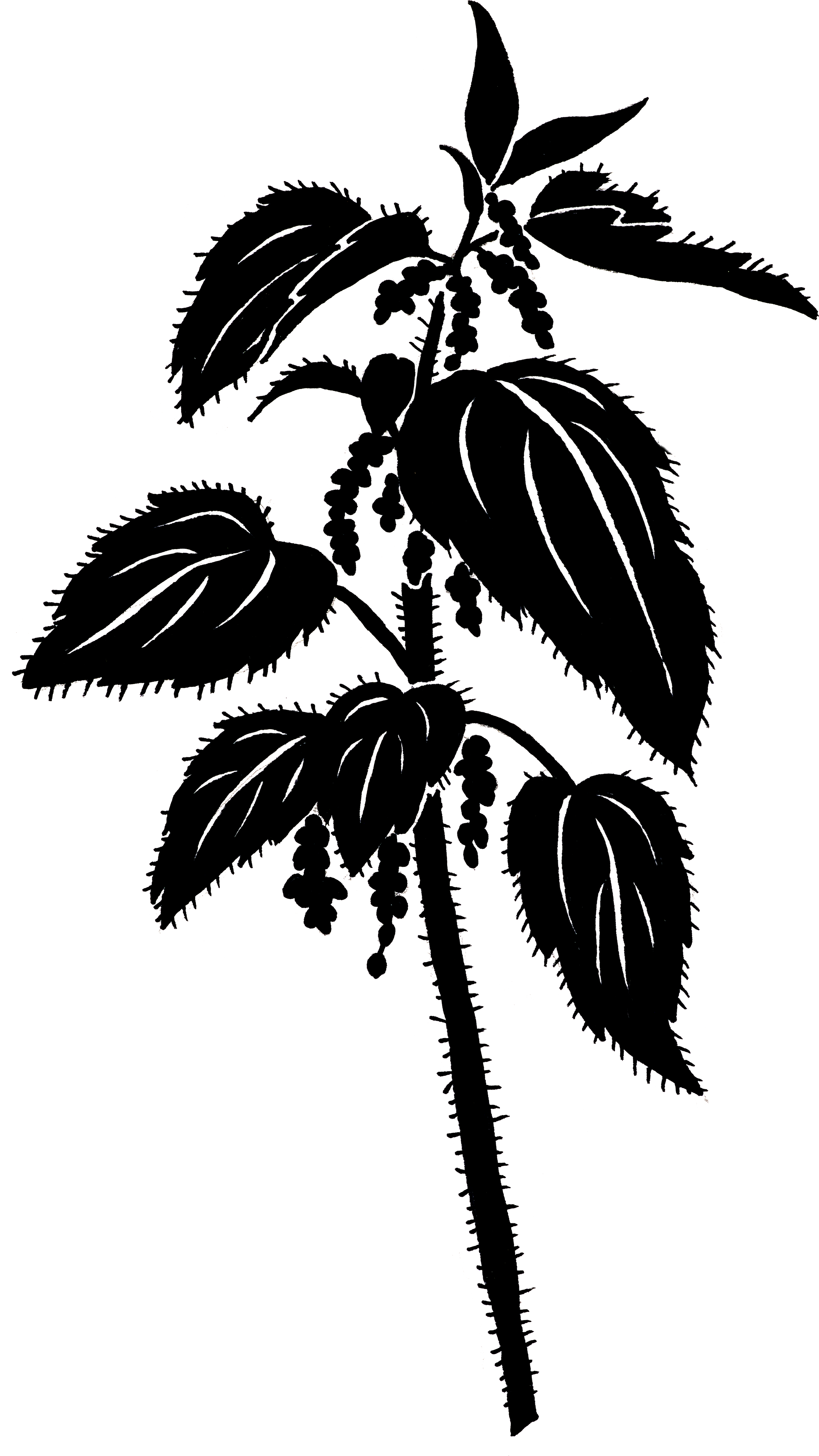
Nettle represents the complexity of existence. These sharp stinging plants are packed with powerful healing remedies and stinging bite. The teach us about boundaries, consent and personal space. Without care, reaching for nettle can cause discomfort but/and the antidote is often found near by.
Our binary justice system leaves no space for human complexity. How is it possible to recognize the humanity of a person who may have committed a horrible act?
Can we create a system that addresses harm with out creating more? How might what we need grow adjacent to the spaces and places where harm has occured?
Nettle also reminds us about boundaries— what are the roles of boundaries in abolitionist practice?
How can boundaries help us to heal from harm? Where in your own life can boundaries help you to love more fully?
“Boundaries are the distance at which I can love you and me simultaneously.”
-Prentiss Hemphill